Summary:
You’ve searched “indoor playground near me,” pulled up a handful of options, and now you’re staring at websites that all look pretty similar. Fun photos. Smiling kids. Vague promises about safety and cleanliness. It’s hard to tell what’s actually different from one place to the next — especially when you have a 14-month-old who’s going to be crawling around on the floor the entire time.
The truth is, not all indoor play spaces are built the same. Some are designed for entertainment. Some are designed for development. Some were built with toddlers in mind, and some just allow toddlers in. Knowing the difference before you visit saves you a lot of frustration — and makes for a much better experience for your child.
What to Look for in an Indoor Play Area for Toddlers
The most important thing to understand is that toddlers — especially children under three — have fundamentally different needs than older kids. They’re lower to the ground, more likely to fall, more sensitive to noise and chaos, and at a stage where every new experience is actively shaping their development. A space that works well for a seven-year-old may be genuinely overwhelming for a two-year-old.
When you’re evaluating an indoor play area near you, the question isn’t just “is it safe?” It’s whether the space was designed with your child’s age and stage in mind — or whether it just happens to let young children in.
Does the Equipment and Floor Design Actually Protect Young Children?
This is the first thing worth looking at — not the photos of the climbing structure, but what’s underneath it. Hard floors near play equipment are a red flag. Padded flooring, rubberized surfaces, or interlocking soft mats are what you want to see in a space where toddlers are climbing, sliding, and inevitably losing their balance.
Equipment quality matters just as much as what’s on the floor. There’s a meaningful difference between play structures built from high-quality wood and the kind of plastic equipment that wobbles, chips, and shows its age quickly. Wooden equipment is more durable, more stable, and generally better designed to hold up under the weight of multiple children at once. It also tends to signal that the people who built the space were thinking about longevity and quality, not just getting something on the floor quickly.
Pay attention to whether bars, ledges, and structures are padded at the contact points — the spots where a toddler’s head is most likely to make contact during a tumble. These details don’t make the brochure, but they’re what you actually want to see when you walk in.
The CPSC’s own research on playground incidents found that equipment-related hazards — things like structural design and assembly quality — accounted for 38% of incidents, with falls accounting for another 29%. In an indoor environment, thoughtful equipment design and proper floor surfacing are the two levers that most directly reduce that risk. A space that has invested in both is a space that’s taken safety seriously.
One more thing: shoe-free zones matter. Socks-required policies reduce both slipping risk and the amount of outdoor debris that ends up on the same surfaces your toddler is crawling on. It’s a small policy with real hygiene and safety implications — and it’s worth checking before you go.

Is the Space Actually Designed for Toddlers, or Just Open to Them?
There’s a big difference between a play space that was designed for toddlers and one that simply doesn’t turn them away at the door. If you’ve ever taken a young child to a large indoor entertainment center and spent the whole visit anxiously running interference between your toddler and a group of eight-year-olds at full speed, you already know what that distinction feels like in practice.
Age mixing is one of the most common sources of stress — and injury — at indoor play facilities. When a space has no meaningful separation between age groups, the youngest children are always at a disadvantage. They’re slower, lower, and less able to anticipate or avoid collisions. A well-designed indoor play space either has dedicated zones for different age groups or manages capacity in a way that prevents the kind of overcrowding that makes age mixing dangerous.
Capacity limits are worth asking about specifically. Some of the best indoor play spaces for toddlers are deliberately small — not because they couldn’t build something bigger, but because keeping the number of children low is part of the design. Fewer kids means less noise, more space to move, easier supervision, and a calmer environment overall. For toddlers and sensory-sensitive children especially, that matters enormously.
It’s also worth asking whether the space serves infants. Some indoor play areas start at age two or three, which is reasonable — but if you have a younger child, you want to know in advance whether there’s equipment and floor space appropriate for a crawler or a child who’s just beginning to walk. A space that genuinely serves children from six months up has made specific design choices to accommodate the youngest visitors, and that’s a different level of intentionality than a space that just says “all ages welcome.”
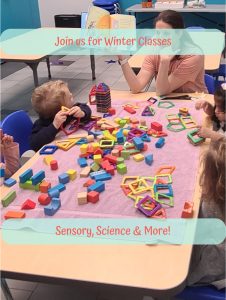
Finally, think about what your child will actually be doing. Open play is great, but a space that also offers structured enrichment — art, music, sensory exploration — gives your toddler more to engage with and gives you more flexibility in how you use the space across multiple visits.
Questions Livingston, NJ Parents Ask Before Visiting an Indoor Play Space
Parents in Livingston tend to research their choices carefully — which makes sense given how much is available in Essex County and how different the options really are. Here are the questions we hear most often, along with honest answers that should help you make a more informed decision before your first visit.
These aren’t hypothetical questions. They come from the real concerns parents bring up when they’re trying to figure out whether an indoor play area is actually right for their child.
How Do I Know If an Indoor Playground Is Actually Clean?
This is the question almost every parent has and almost no one asks out loud. The honest answer is that cleanliness is something you can evaluate before you visit — you don’t have to wait until you’re standing in the space to get a sense of how seriously a facility takes it.
Start with reviews. When multiple independent reviewers across different platforms — Yelp, Google, Nextdoor, parenting directories — all mention cleanliness specifically and positively, that’s more credible than any claim the business makes about itself. Generic five-star ratings tell you less than a review that says “the floors were spotless and I watched staff wiping down equipment between sessions.”
Look at the policies. A socks-required, shoe-free zone tells you something about how the facility thinks about hygiene. Capacity limits matter here too — a space with fewer children in it at any given time is simply easier to maintain than one running at maximum occupancy all day. Padded, wipeable surfaces are easier to clean than fabric or porous materials. These are structural decisions that reflect how seriously cleanliness was considered at the design stage.
For parents in Livingston and Essex County specifically, the local parent community is active on Nextdoor and in Facebook groups — and people are not shy about sharing experiences with indoor play spaces in the area. If a facility has a real cleanliness problem, you’ll find it in those conversations. If the same places keep coming up as genuinely clean and well-maintained, that’s meaningful local signal.
Ask about sick-child policies too. A facility that has a clear, enforced policy about keeping sick children home is one that takes the health of all its visitors seriously. It’s a small thing to ask, but the answer tells you a lot.
Is an Indoor Playground Actually Worth It for Babies and Young Toddlers?
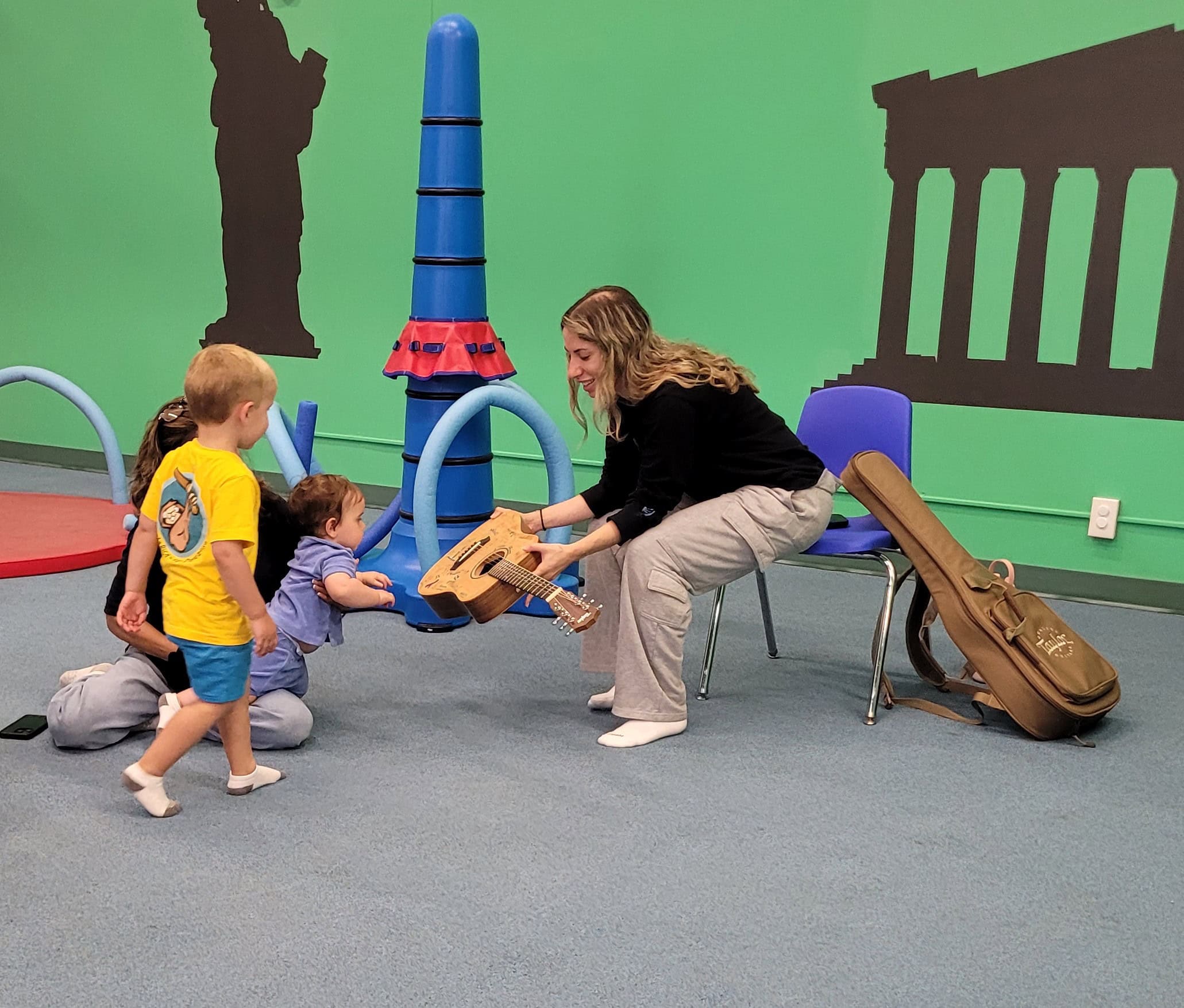
This is a fair question, and the honest answer is: it depends entirely on the space. A large-scale entertainment center built around laser tag and arcade games is not going to offer much to a ten-month-old. But an indoor play area that was specifically designed with infants and young toddlers in mind — with padded floors, age-appropriate structures, sensory experiences, and a calm environment — can be genuinely valuable at that age.
Here’s why it matters more than people sometimes think. The period from birth to age five is the most critical window for speech and motor development. What children do during that window — how they move, explore, interact, and engage with their environment — actively shapes the skills they’re building. A well-designed play space isn’t just a place to burn energy. It’s a place where a child practices balance, coordination, spatial reasoning, and social interaction in a structured but low-pressure setting.
That’s particularly relevant in Livingston, NJ and the surrounding Essex County communities, where parents are generally attuned to developmental milestones and enrichment opportunities. The question isn’t just “will my child have fun?” — it’s “is this space actually designed to support where my child is developmentally right now?”
The other thing worth considering is the parent experience. Indoor play spaces that are genuinely designed for young children tend to also think about what the adults in the room need. Clear sightlines from a comfortable seating area. A calm enough environment that you can actually have a conversation. The ability to relax for a moment without losing track of your child. These aren’t luxuries — they’re what makes the difference between a place you visit once and one you come back to every week.
For families in Livingston, the winters alone make a reliable indoor play option close to essential. From November through March, when temperatures in Essex County regularly drop into the twenties, having a space your toddler loves and you can actually stand to be in is genuinely useful.
Finding the Right Indoor Play Space in Livingston, NJ
The checklist for choosing an indoor playground for your toddler comes down to a few things that are easy to overlook when you’re just scrolling through options: What is the floor made of? How is the equipment built? Does the space actually limit capacity, or is it just open to everyone at once? Was it designed by people who understand child development, or by people who understand entertainment?
Those questions have different answers at different places — and the answers matter more than the photos on the homepage.
If you’re looking for an indoor play area near you in Livingston, NJ or Essex County that was built with those questions at the center, we’d love to show you what we’ve created at Exceptional Explorers. Come see the space, ask us anything, and decide for yourself whether it’s the right fit for your child.